Strabismus

What Is Strabismus?

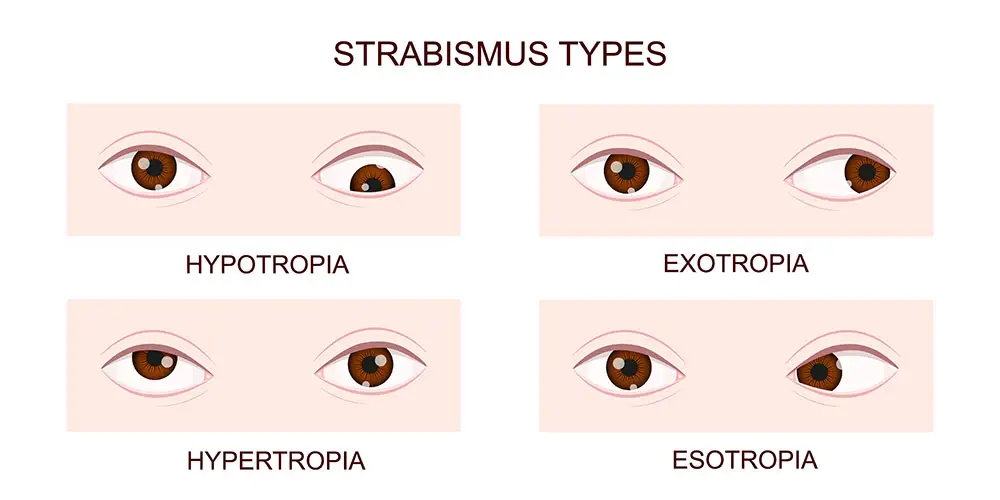
Strabismus, commonly known as crossed eyes, is a condition in which the eyes do not align properly. One or both eyes may turn inward, outward, upward, or downward instead of working together as a coordinated pair.

This misalignment can lead to symptoms such as double vision, eye strain, headaches, poor depth perception, and visual fatigue. Strabismus may be present from birth or develop later in life due to nerve injury, muscle imbalance, neurological conditions, or systemic health issues.

Non-proliferative

This is the more common form of diabetic retinopathy. Non-proliferative means there are no blood vessels growing yet. Circulation slows down to the back of the eye, the walls of the blood vessels in the retina weaken. As more and more vessels become blocked, parts of the retina will suffer from lack of blood supply hence the body will signal new blood vessels to grow
 

Proliferative

New blood vessels begin to grow along the retina but they are weak and can easily leak blood and fluid. This stage is severe as blurry vision can progress quickly to severe vision loss or blindness as well as increasing risks to developing other problems like glaucoma or a detached retina.
 

Conventional Treatment Options for Strabismus

In Western medicine, treatment for strabismus often includes:

  • Prescription glasses or prisms
  • Eye patching or vision therapy
  • Eye muscle surgery to improve alignment

These approaches focus on correcting the physical misalignment of the eyes. While often effective, they may not address underlying neurological, muscular, or systemic contributors to the condition.

How Traditional Chinese Medicine Views Strabismus

 Traditional Chinese Medicine (TCM) views strabismus as a sign of internal imbalance rather than an isolated eye problem. From this perspective, eye alignment is influenced by the health of the nervous system, circulation, and organ systems commonly associated with the liver and kidney networks in TCM theory.

Treatment aims to restore balance, improve circulation, and support the systems that govern muscle control and neurological coordination.

How can Ophthalmic Acupuncture Help Strabismus

Acupuncture for strabismus focuses on improving communication between the eyes, muscles, and brain. By stimulating specific acupuncture points, treatment aims to:

  • Support balanced activation of the eye muscles
  • Improve blood flow and oxygen delivery to eye tissues
  • Stimulate nerves involved in eye movement and coordination
  • Support areas of the brain involved in visual control, including the frontal eye field

Treatment typically includes fine needles placed around the eyes as well as distal points on the body to support overall neurological and systemic function.

Potential Benefits of Acupuncture for Strabismus

Patients may experience benefits such as:

  • Improved eye alignment by helping balance extraocular muscle activity
  • Better eye coordination and visual comfort
  • Reduced eye strain and headaches associated with misalignment
  • Improved circulation to the eyes and surrounding structures
  • Whole-body support, addressing contributing health factors

If you or your loved one has strabismus, contact our clinic to learn whether acupuncture and Traditional Chinese Medicine may support eye coordination and visual comfort.

Normal Sight

Retinopathy sight

What are the most common causes of Diabetic Retinopathy?

Anyone that has diabetes, whether it be Type 1 or Type 2, can develop diabetic retinopathy. The longer someone has diabetes and the more severe it is, the greater the risk of developing diabetic retinopathy. Risk also increases in people with uncontrolled high blood sugar, high blood pressure, high cholesterol, and tobacco use.​


How can Traditional Chinese Medicine and acupuncture treat Diabetic Retinopathy?

Traditional Chinese Medicine (TCM) focuses on correcting the underlying issue that leads to the deterioration of your retinal health. We know that the eye issue did not progress on its own, thus we must address the overall health and any underlying organ dysfunction(s) to ensure proper eye health as well. ​

Traditional Chinese Medicine can strengthen the body’s organ system to maintain healthy blood sugar levels.

​Because diabetic retinopathy is a result of complications of diabetes.  TCM treatment will often focus on strengthening the pancreas and spleen. This often involves using herbal medicine to help manage blood sugar levels to strengthen the body. Lifestyle and dietary recommendations are important to ensure proper blood circulation and reduce any inflammation and oxidative stress.

To focus on the eye directly, TCM treatments aim to slow down or stop the tiny blood vessels from bleeding, drain fluids from the eyes and promote newly oxygenated blood through the retina. The importance is enhancing proper circulation to the retina and its surrounding structures. This is done by a customized tailored treatment plan that includes a combination of acupuncture and herbal medicine.

A1_08486

Book a Consultation

    Copyright © 2026 Honor Vision