
Optic Neuritis
Optic Neuritis
Optic neuritis is an inflammatory condition affecting the optic nerve, the pathway that carries visual information from the eye to the brain. When this nerve becomes inflamed, visual signals are disrupted, leading to sudden changes in vision. Symptoms can range from blurred or dim vision to faded colors or reduced night vision.
Optic neuritis often improves over weeks to months, but some people are left with lingering issues such as reduced contrast or color perception. Repeated episodes can increase the risk of permanent optic nerve damage (optic nerve atrophy)
Non-proliferative
Proliferative
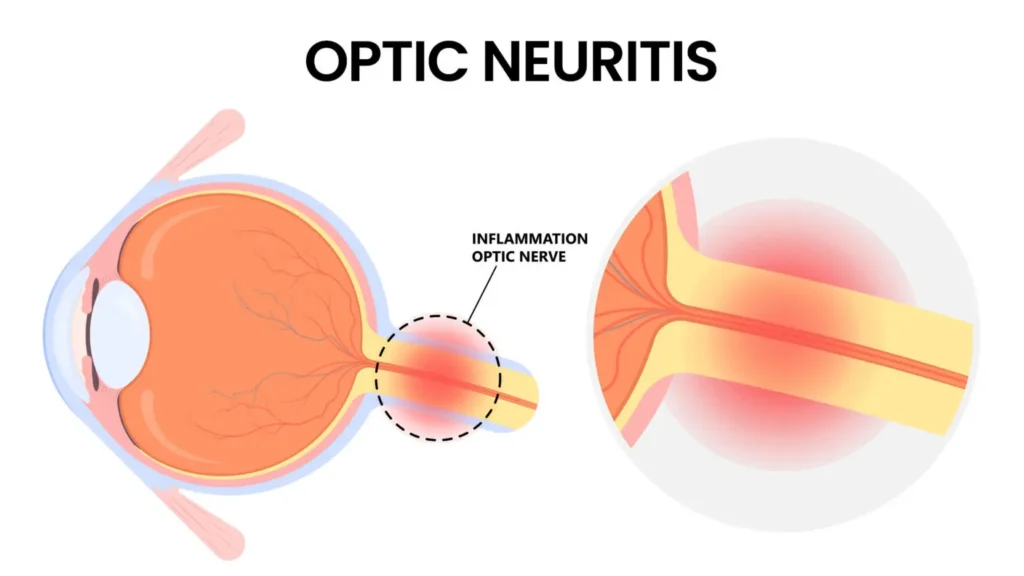
Common Symptoms of Optic Neuritis
- Sudden or rapidly worsening vision in one eye
- Eye pain, especially with eye movement
- Colors appearing dull or washed out (reds are often affected first)
- Flashing or flickering lights when moving the eyes
- Reduced contrast sensitivity or night vision
- In severe cases, rapid loss of central vision.
How Optic Neuritis Is Diagnosed
Diagnosis usually involves a combination of eye and neurological testing to confirm inflammation and rule out other causes:
- Comprehensive eye exam (visual acuity, color vision, contrast)
- Pupil response testing
- Optical Coherence Tomography (OCT) to assess optic nerve fibers
- Visual Evoked Potential (VEP) to measure signal speed from eye to brain
- MRI of the brain and optic nerves to assess inflammation and screen for neurological conditions
- Blood tests to check for infections, autoimmune markers, or vitamin deficiencies.
Causes & Risk Factors
Most cases of optic neuritis are linked to immune system dysfunction and inflammation.
Common causes include:
- Autoimmune conditions, especially multiple sclerosis (MS)
- Neuromyelitis optica (NMO) and related antibody disorders
- Post-viral or post-vaccination immune reactions
- Infections, such as Lyme disease or syphilis (less common)
- Toxic or nutritional causes, including vitamin B12 deficiency or certain medications.
Optic neuritis most commonly affects women between the ages of 20 and 45, especially those with a personal or family history of autoimmune disease.
Conventional Medical Treatment
Western medical treatment focuses on reducing inflammation and managing underlying conditions:
- High-dose intravenous steroids to speed visual recovery
- Plasma exchange or IV immunotherapy for severe or resistant cases
- Long-term immune-modulating therapy when associated with MS
- Treatment of infections or nutritional deficiencies when present
- Supportive care such as vitamin D optimization, exercise, and smoking cessation
Steroids may shorten recovery time, but they do not always change the final visual outcome.
How can Ophthalmic Acupuncture & Traditional Chinese Medicine treat Optic Neuritis?
Ophthalmic acupuncture and Traditional Chinese Medicine focus on reducing inflammation, improving circulation, and supporting optic nerve recovery. Acupuncture is designed to increase blood flow to the eyes and optic nerve, helping deliver oxygen and nutrients to inflamed tissues while calming immune overactivity.
This integrative approach may help:
- Reduce inflammation around the optic nerve
- Support nerve signaling and tissue repair
- Improve circulation to affected areas
- Complement conventional care during recovery
When combined with appropriate herbal therapy, nutritional support, and lifestyle guidance, acupuncture aims to support the body’s natural healing response and help preserve long-term optic nerve health.
If you’ve been diagnosed with optic neuritis or are experiencing sudden vision changes, contact our clinic to learn how we may support your recovery.
Normal Sight

Retinopathy sight

What are the most common causes of Diabetic Retinopathy?
Anyone that has diabetes, whether it be Type 1 or Type 2, can develop diabetic retinopathy. The longer someone has diabetes and the more severe it is, the greater the risk of developing diabetic retinopathy. Risk also increases in people with uncontrolled high blood sugar, high blood pressure, high cholesterol, and tobacco use.
How can Traditional Chinese Medicine and acupuncture treat Diabetic Retinopathy?
Traditional Chinese Medicine (TCM) focuses on correcting the underlying issue that leads to the deterioration of your retinal health. We know that the eye issue did not progress on its own, thus we must address the overall health and any underlying organ dysfunction(s) to ensure proper eye health as well.
Traditional Chinese Medicine can strengthen the body’s organ system to maintain healthy blood sugar levels.
Because diabetic retinopathy is a result of complications of diabetes. TCM treatment will often focus on strengthening the pancreas and spleen. This often involves using herbal medicine to help manage blood sugar levels to strengthen the body. Lifestyle and dietary recommendations are important to ensure proper blood circulation and reduce any inflammation and oxidative stress.
To focus on the eye directly, TCM treatments aim to slow down or stop the tiny blood vessels from bleeding, drain fluids from the eyes and promote newly oxygenated blood through the retina. The importance is enhancing proper circulation to the retina and its surrounding structures. This is done by a customized tailored treatment plan that includes a combination of acupuncture and herbal medicine.