Dry eye disease (also known as keratoconjunctivitis sicca) occurs when your eyes do not produce enough tears, or when tears evaporate too quickly. Healthy tears form a smooth, protective film that keeps the surface of the eye nourished, comfortable, and clear.
When this tear film becomes unstable, the eyes can feel irritated, dry, or tired, and vision may fluctuate throughout the day. While dry eye is often dismissed as a minor annoyance, chronic dryness can lead to inflammation, increased infection risk, and damage to the surface of the eye over time.
At our clinic, we view dry eye not only as a local eye condition, but also as a possible sign of broader systemic imbalance that deserves a comprehensive approach.
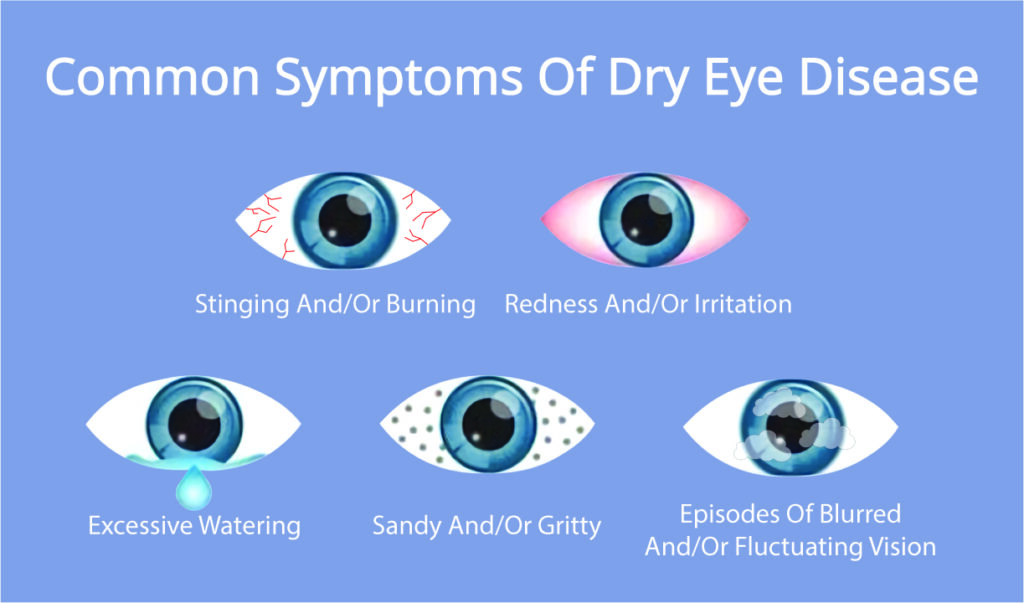
Dry eye symptoms can vary in severity and may come and go. Common signs include:
Dry eye is diagnosed through a comprehensive eye examination. Your eye care provider may:
Dry eye usually develops from a combination of factors rather than a single cause.
The lacrimal glands may not produce enough tears. This is common with aging, contact lens use, certain medications (such as antihistamines), and autoimmune conditions.
Blocked or poorly functioning meibomian glands reduce the oil layer of tears, causing them to evaporate too quickly. Screen use, low-humidity environments, blepharitis, and prolonged visual tasks can worsen this type.
From a Traditional East Asian medicine perspective, dry eye may reflect underlying fluid or blood deficiency. Clinically, this may coincide with dry skin, brittle nails, joint stiffness, digestive weakness, hormonal shifts, or chronic inflammation.
Smoke, wind, heating or air-conditioning vents, allergens, and pollution can all irritate the eye surface and worsen symptoms.
Standard dry eye treatments focus on symptom relief and tear conservation, including:
These treatments can provide meaningful relief, but they may not fully address the underlying factors driving chronic dry eye.
Ophthalmic acupuncture may help relieve dry eye symptoms by supporting natural tear production, improving circulation around the eyes, and calming inflammation that contributes to irritation and discomfort.
Research suggests ophthalmic acupuncture can help improve tear quality and eye surface moisture, reducing sensations of dryness, grittiness, and eye fatigue. Many patients use acupuncture alongside conventional treatments, such as artificial tears or prescription drops, to support long-term eye comfort and overall ocular health.
Are your dry eye symptoms affecting your quality of life? A consultation can help assess your situation and determine whether an integrative approach may give you lasting relief to improve your quality of life.

There are a number of reasons why people experience dry eyes:
• Age – people over the age of 50 are more common to experience tear production decline
• Medication – antihistamines, antidepressants, decongestants, birth control pills and others can potentially cause dry eyes
• Disease – autoimmune conditions such as Diabetes, Rheumatoid Arthritis, and thyroid disorders are common diseases that can be accompanied by dry eyes
• Too much screen time – electronic devices emit certain types of light which encourage less blinking, thus reducing the moisture spread over the eye
Acupuncture treatment for dry eyes will address the symptom and also the internal imbalance. Through the acupuncture points, we are able to increase oxygen and nutrient flow to the eyes, to stimulate oil production to keep the eyes moistened. Most of the acupuncture points are used on the hands and the feet. No Needles go into the eye.