Diabetic retinopathy is the most common eye disease caused by diabetes and a leading cause of vision loss worldwide. It develops when chronically high blood sugar damages the small blood vessels that supply the retina, the light-sensitive tissue at the back of the eye.
Over time, these weakened vessels can leak fluid, bleed, or grow abnormally. If not properly managed, diabetic retinopathy can scar the retina and threaten central vision.
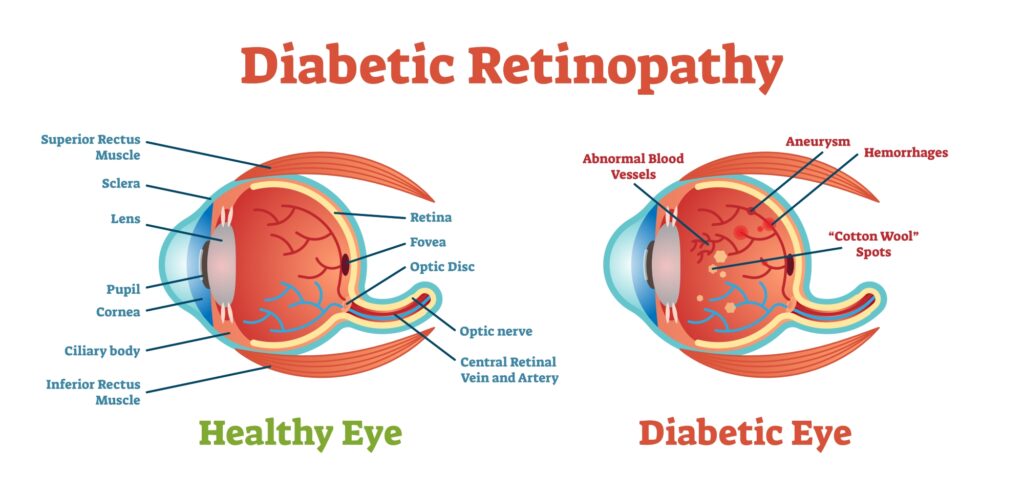
Diabetic retinopathy is not just an eye problem it reflects ongoing stress in the body caused by unstable blood sugar and circulation.
Diabetic retinopathy often develops silently. Many people have no symptoms in the early stages, which is why routine eye exams are essential.
Possible symptoms include:
You may be at higher risk for diabetic retinopathy if you:
The longer diabetes is present and the less stable blood sugar is the greater the risk to retinal health.
Protecting vision with diabetes requires a proactive, long-term approach:
Early detection and consistent care can significantly slow progression.
Traditional Chinese Medicine (TCM) takes a whole-body approach to diabetic retinopathy by addressing the root imbalances that contribute to retinal damage.
From a TCM perspective, eye disease does not occur in isolation. Diabetic retinopathy reflects underlying dysfunction in blood sugar regulation, circulation, and organ systems involved in metabolism.
Treatment often focuses on:
Care is personalized and may include ophthalmic acupuncture, customized herbal medicine, and dietary and lifestyle guidance, all tailored to the individual.
Our Clinical Experience
Diabetic retinopathy is often one of the fastest-responding retinal conditions we treat. When patients commit to a comprehensive program and address both blood sugar control and retinal circulation, we frequently see measurable improvements in visual stability and vascular health.
Concerned about changes in vision because of diabetes? A consultation can help assess your situation and determine whether an integrative approach may benefit your eye health.


Anyone that has diabetes, whether it be Type 1 or Type 2, can develop diabetic retinopathy. The longer someone has diabetes and the more severe it is, the greater the risk of developing diabetic retinopathy. Risk also increases in people with uncontrolled high blood sugar, high blood pressure, high cholesterol, and tobacco use.
Traditional Chinese Medicine (TCM) focuses on correcting the underlying issue that leads to the deterioration of your retinal health. We know that the eye issue did not progress on its own, thus we must address the overall health and any underlying organ dysfunction(s) to ensure proper eye health as well.
Traditional Chinese Medicine can strengthen the body’s organ system to maintain healthy blood sugar levels.
Because diabetic retinopathy is a result of complications of diabetes. TCM treatment will often focus on strengthening the pancreas and spleen. This often involves using herbal medicine to help manage blood sugar levels to strengthen the body. Lifestyle and dietary recommendations are important to ensure proper blood circulation and reduce any inflammation and oxidative stress.
To focus on the eye directly, TCM treatments aim to slow down or stop the tiny blood vessels from bleeding, drain fluids from the eyes and promote newly oxygenated blood through the retina. The importance is enhancing proper circulation to the retina and its surrounding structures. This is done by a customized tailored treatment plan that includes a combination of acupuncture and herbal medicine.